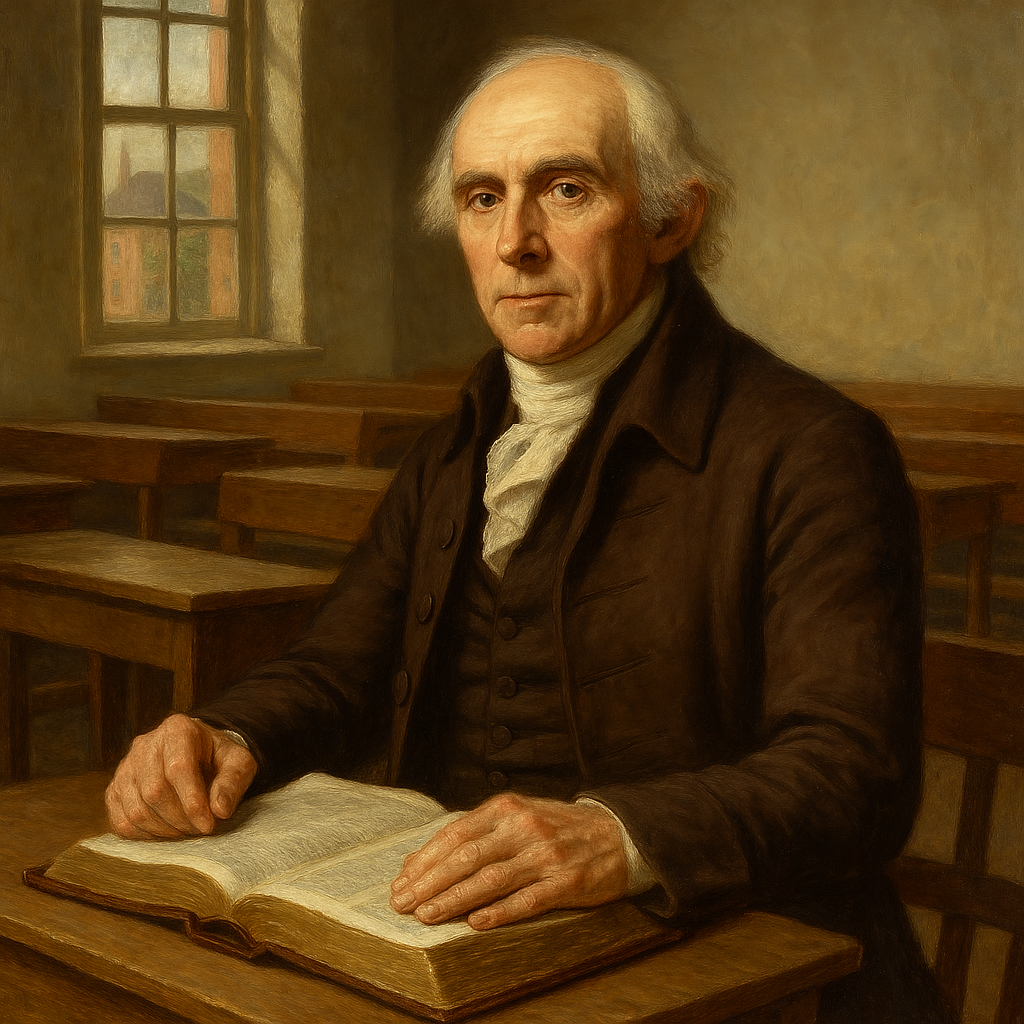
Faith in the Storm: Finding Peace When Life Gets Chaotic
Life has a way of throwing storms at us when we least expect them. Whether it’s a sudden health crisis, financial strain, relationship struggles, or an unexpected turn of events, chaos can sweep in like a tidal wave, leaving us gasping for air. In these moments, faith becomes not just a lifeline but an anchor, holding us steady in the midst of turmoil.
The Eye of the Storm
There is a phenomenon in nature called the eye of the storm. At the center of a hurricane, amidst the raging winds and rain, there exists a pocket of calm. It’s a reminder that even within the fiercest storms, peace is possible. For those who follow Christ, this peace is not a fleeting emotion but a profound reality. Jesus said, “Peace I leave with you; my peace I give you. I do not give to you as the world gives. Do not let your hearts be troubled and do not be afraid.” (John 14:27)
When life feels chaotic, God offers us a refuge in His presence. He doesn’t always calm the storm immediately, but He promises to calm our hearts. It is in leaning into Him, pressing into His word, and surrendering our fears that we find a peace that transcends understanding.
Finding Peace in Practical Ways
Stay Grounded in Scripture: When the world feels like it’s spinning, the Word of God is a firm foundation. Verses like “Be still, and know that I am God” (Psalm 46:10) and “The Lord will fight for you; you need only to be still.”(Exodus 14:14) are not just comforting words but powerful truths to declare over your situation.
Pray Through the Panic: It’s natural to feel anxious when life feels out of control. But instead of letting anxiety take over, turn those feelings into prayer. Pour out your heart to God, even if all you can muster is a whispered “Help me, Lord.” He hears every cry and is near to the brokenhearted (Psalm 34:18).
Embrace Community: We were never meant to weather storms alone. Share your burdens with trusted friends or a faith community. Allow others to pray for you, support you, and remind you of God’s goodness when you struggle to see it for yourself.
Worship in the Storm: Worship has a unique way of shifting our perspective. When Paul and Silas were in prison, they sang hymns to God (Acts 16:25). Their circumstances didn’t change immediately, but their hearts were free long before their chains were loosed. Worship breaks chains of fear and ushers in the presence of God.
A God Who Calms the Waves
One of the most powerful stories of peace in chaos is found in Mark 4:35-41. As Jesus and His disciples crossed the sea, a furious storm arose. While the disciples feared for their lives, Jesus slept peacefully in the boat. When they woke Him in panic, He simply said, “Peace! Be still!” and the storm ceased.
This story is not just about a physical storm but a spiritual truth. Jesus’ peace is not circumstantial. He offers a peace that stands firm regardless of the waves around us. When we invite Him into our chaos, He brings order. When we call on His name, He speaks to the storm within us.
Final Encouragement
If you find yourself in the middle of a storm today, know that you are not alone. God sees you, hears you, and is with you. He is not distant or disconnected but intimately involved in every detail of your struggle. His peace is available to you—not because the situation makes sense but because He is present.
Take a deep breath. Whisper His name. Let His peace flood your heart and mind. As you rest in Him, you will find that while the storm may not pass immediately, your soul can find calm in the storm’s eye.
Call to Action: If this message encouraged you, share it with a friend who might need a reminder of God’s peace today. For more biblical teachings and daily encouragement, visit our blog at Gentleman Outlaw and explore the “Daily Light” series for fresh insights and inspiration every week.
📌 Day 1: When the Waves Rise “Then they cried out to the Lord in their trouble, and he brought them out of their distress. He stilled the storm to a whisper; the waves of the sea were hushed.” (Psalm 107:28-29)
Storms don’t ask for permission; they come suddenly, shaking everything around us. But no matter how high the waves rise, God hears our cries. He may not remove the storm immediately, but He promises to bring us through it. The waves obey His command.
Reflection: What waves are crashing around you right now? Have you cried out to God, trusting Him to calm your heart even if the storm still rages?
📌 Day 2: Peace in the Storm “You will keep in perfect peace those whose minds are steadfast, because they trust in you.” (Isaiah 26:3)
True peace isn’t the absence of trouble but the presence of trust. The world’s peace depends on circumstances, but God’s peace surpasses understanding. Even when storms rage, you can anchor yourself in the unshakable truth that He is with you.
Reflection: Are you focusing on the storm or the One who controls it? How can you fix your mind on God’s promises today?
📌 Day 3: Trusting When You Can’t See “For we live by faith, not by sight.” (2 Corinthians 5:7)
Faith doesn’t always come with clarity. Sometimes, we must step forward without seeing the whole picture. Like Peter walking on water, trust means keeping our eyes on Jesus, even when the wind howls. When we focus on Him, fear loses its grip.
Reflection: What step of faith is God calling you to take, even if you don’t have all the answers?
📌 Day 4: Anchored in God’s Promises “We have this hope as an anchor for the soul, firm and secure.” (Hebrews 6:19)
An anchor keeps a ship steady in rough waters. God’s promises are the anchor of our souls, keeping us secure when life’s storms try to pull us away. His Word is unshakable, and His faithfulness never fails.
Reflection: What promises of God do you need to cling to today? How can you remind yourself that He is your anchor?
📌 Day 5: Finding Strength in the Tempest “My grace is sufficient for you, for my power is made perfect in weakness.” (2 Corinthians 12:9)
Storms make us feel weak, but they also reveal where our strength comes from. Paul rejoiced in his hardships because they magnified God’s power in his life. Your struggles aren’t signs of failure—they are invitations to rely on His grace.
Reflection: How can you shift your perspective and see your struggle as an opportunity for God to work through you?
📌 Day 6: Jesus Calms the Storm “The wind died down and it was completely calm. He said to his disciples, ‘Why are you so afraid? Do you still have no faith?’” (Mark 4:39-40)
Jesus never promised a storm-free life, but He did promise His presence. The disciples feared for their lives, yet Jesus was in the boat all along. No matter how fierce the storm, He is still in control.
Reflection: Do you believe Jesus is with you in your storm? How would your response change if you truly rested in His presence?
Overcoming Obstacles: Finding Strength in Every Challenge
Key Scriptures:
“Consider it pure joy, my brothers and sisters, whenever you face trials of many kinds, because you know that the testing of your faith produces perseverance.” (James 1:2-3)
“You intended to harm me, but God intended it for good to accomplish what is now being done, the saving of many lives.”(Genesis 50:20)
Devotional:
Obstacles are an inevitable part of life. Whether they come in the form of difficult relationships, financial struggles, health issues, or spiritual dryness, they challenge us and stretch our faith. The Bible offers profound wisdom on how to face these challenges with grace and strength.
In James 1:2-3, we find a call to joy in the face of trials. This joy isn’t a forced happiness but a deep-seated confidence that God is at work, refining us. The testing of our faith, while uncomfortable, produces perseverance—a strength that endures. It’s in the heat of trials that our character is forged and our trust in God is deepened.
The story of Joseph in Genesis is a living example of this truth. Betrayed by his brothers, sold into slavery, and unjustly imprisoned, Joseph had every reason to despair. Yet, he remained faithful. When he finally confronted his brothers, his response wasn’t bitterness but revelation: “You intended to harm me, but God intended it for good.” This perspective is key to overcoming obstacles. It allows us to see beyond the pain of the moment to the purpose of God.
Beyond Joseph’s story, the Bible offers a rich tapestry of examples:
David and Goliath: The young shepherd boy faced an obstacle that terrified an entire army. With faith, a sling, and a stone, David overcame a giant, proving that with God, even the impossible becomes possible (1 Samuel 17).
Ruth’s Journey: After losing her husband, Ruth chose to follow Naomi to a foreign land. Despite the obstacle of loss and uncertainty, her faithfulness led her into God’s greater plan, becoming part of the lineage of Jesus (Ruth 1-4).
Esther’s Courage: Esther faced a life-threatening obstacle when her people were under threat. Her bravery and reliance on God allowed her to become a voice of salvation for her nation (Esther 4:14).
Nehemiah’s Determination: Rebuilding Jerusalem’s walls was a monumental task, filled with opposition and discouragement. Nehemiah overcame by remaining focused on God’s mission and refusing to be distracted by his enemies (Nehemiah 6:3).
Obstacles are not just ancient stories; they are part of our everyday lives. Whether it’s dealing with a difficult coworker, managing an illness, or navigating a season of uncertainty, challenges are opportunities to draw closer to God. When we shift our perspective from “Why is this happening?” to “What is God teaching me?” we open the door to growth and wisdom.
Practical Steps to Overcome Obstacles:
Pray for Perspective: Ask God to help you see your situation through His eyes.
Embrace the Process: Understand that growth often comes through discomfort.
Seek God’s Word: The Bible offers guidance, comfort, and truth that can illuminate your path.
Take One Step at a Time: Big obstacles are conquered through small, faithful steps.
Find Community: Surround yourself with people who encourage you and speak life into your circumstances.
Remember Past Victories: Reflect on how God has brought you through before and let it build your faith for today.
Reflection Questions:
How do you typically respond to obstacles—by leaning into God or pulling away?
Can you think of a time when a hardship ultimately led to something good in your life?
How might God be inviting you to grow through your current challenges?
What practical steps can you take this week to face your obstacles with faith?
Prayer:
Lord, help me to see my obstacles through Your eyes. Give me the strength to persevere, the faith to trust Your plan, and the wisdom to learn from every trial. May I find joy, not in the difficulty itself, but in knowing You are with me and working for my good. Amen.
Call to Action:
If this devotional has encouraged you, take a moment to share your story. How has God helped you overcome an obstacle in your life? Share in the comments below or join us in the ‘Daily Light’ community for deeper discussion and support.
Stay connected! Follow us on social media and subscribe to our newsletter for more inspiration, teaching, and encouragement.
📌 Day 1: Embracing Trials with Joy “Consider it pure joy, my brothers and sisters, whenever you face trials of many kinds, because you know that the testing of your faith produces perseverance.” (James 1:2-3)
Obstacles often come without warning, unsettling our lives and testing our faith. Yet, James challenges us to approach trials with joy—not a fleeting happiness, but a deep, abiding joy rooted in trust. Each trial is a refining fire, burning away the dross and strengthening what remains. Perseverance is not born from ease but through enduring difficulty with hope.
Reflection: When was the last time you chose joy in the midst of a struggle? What might God be refining in you today?
📌 Day 2: The Long Road to Redemption “You intended to harm me, but God intended it for good to accomplish what is now being done, the saving of many lives.”(Genesis 50:20)
Joseph’s journey from betrayal to blessing was marked by hardship and injustice. His ability to see God’s hand even in the darkest moments is a profound reminder that no obstacle is wasted. God transforms pain into purpose, turning what was meant for harm into a story of redemption and hope.
Reflection: Can you identify a past hurt that God has transformed into something good? How might He use your current struggle for His purpose?
📌 Day 3: The Courage to Face Giants “David said to the Philistine, ‘You come against me with sword and spear and javelin, but I come against you in the name of the Lord Almighty.'” (1 Samuel 17:45)
Goliath was not just a physical giant but a representation of fear and intimidation. While others saw an impossible obstacle, David saw an opportunity for God’s power to shine. His courage came not from self-confidence but from God-confidence. When obstacles loom large, shift your focus from the size of the challenge to the greatness of your God.
Reflection: What ‘giant’ are you facing today? How can you take a step forward in faith, trusting God to guide you?
📌 Day 4: Faithfulness in the Unknown “Where you go I will go, and where you stay I will stay. Your people will be my people and your God my God.” (Ruth 1:16)
Ruth’s journey is a testament to faithfulness in the face of uncertainty. She left everything familiar to follow Naomi into a foreign land, not knowing what lay ahead. Her story shows us that obedience in the unknown often leads to blessings beyond our imagination. When obstacles make the future unclear, choose faith over fear and follow where God leads.
Reflection: Is God calling you to step into the unknown? What would faithfulness look like for you today?
📌 Day 5: Rising to the Moment “And who knows but that you have come to your royal position for such a time as this?” (Esther 4:14)
Esther’s obstacle was monumental—her people faced annihilation, and her intervention required life-threatening bravery. She rose to the occasion, understanding that God had positioned her with purpose. Our obstacles might not be as dramatic, but each one offers a chance to align with God’s greater plan.
Reflection: What situation in your life might God be calling you to address with courage and purpose?
📌 Day 6: Staying Focused Amidst Opposition “I am carrying on a great project and cannot go down. Why should the work stop while I leave it and go down to you?”(Nehemiah 6:3)
Nehemiah’s story is one of determination. While rebuilding Jerusalem’s walls, he faced threats, distractions, and criticism. His secret to overcoming obstacles was focus. When opposition tries to derail you, remember the work God has set before you and refuse to be pulled away.
Reflection: What distractions or discouragements are keeping you from completing God’s work in your life? How can you refocus today?
RVL – Ray Vander Laan talks about discipleship as Jesus and his disciples would have understood it. Take this time to learn what it really means to be a disciple or to go and make disciples.
Constitution Alive Part 4-A Constitution Alive Part 4-B Constitution Alive Part 4-C Constitution Alive Part 4 Full Audio https://spotifyanchor-web.app.link/e/jn22Bwp91Fb Constitution Alive Part 5-A
This is a discussion of the famous sermon from George MacDonald titled, Our God is a Consuming Fire. You can view the Full hour and thirteen minute video, or see a 47 minute segment and another 27 minute segment seperatly.
Nothing is inexorable but love. Love which will yield to prayer is imperfect and poor. Nor is it then the love that yields, but its alloy. For if at the voice of entreaty love conquers displeasure, it is love asserting itself, not love yielding its claims. It is not love that grants a boon unwillingly; still less is it love that answers a prayer to the wrong and hurt of him who prays. Love is one, and love is changeless.
For love loves unto purity. Love has ever in view the absolute loveliness of that which it beholds. Where loveliness is incomplete, and love cannot love its fill of loving, it spends itself to make more lovely, that it may love more; it strives for perfection, even that itself may be perfected–not in itself, but in the object. As it was love that first created humanity, so even human love, in proportion to its divinity, will go on creating the beautiful for its own outpouring. There is nothing eternal but that which loves and can be loved, and love is ever climbing towards the consummation when such shall be the universe, imperishable, divine
Therefore all that is not beautiful in the beloved, all that comes between and is not of love’s kind, must be destroyed.
And our God is a consuming fire.
If this be hard to understand, it is as the simple, absolute truth is hard to understand. It may be centuries of ages before a man comes to see a truth–ages of strife, of effort, of aspiration. But when once he does see it, it is so plain that he wonders he could have lived without seeing it. That he did not understand it sooner was simply and only that he did not see it. To see a truth, to know what it is, to understand it, and to love it, are all one. There is many a motion towards it, many a misery for want of it, many a cry of the conscience against the neglect of it, many a dim longing for it as an unknown need before at length the eyes come awake, and the darkness of the dreamful night yields to the light of the sun of truth. But once beheld it is for ever. To see one divine fact is to stand face to face with essential eternal life.
For this vision of truth God has been working for ages of ages. For this simple condition, this apex of life, upon which a man wonders like a child that he cannot make other men see as he sees, the whole labour of God’s science, history, poetry–from the time when the earth gathered itself into a lonely drop of fire from the red rim of the driving sun-wheel to the time when Alexander John Scott worshipped him from its face–was evolving truth upon truth in lovely vision, in torturing law, never lying, never repenting; and for this will the patience of God labour while there is yet a human soul whose eyes have not been opened, whose child-heart has not yet been born in him. For this one condition of humanity, this simple beholding, has all the outthinking of God flowed in forms innumerable and changeful from the foundation of the world; and for this, too, has the divine destruction been going forth; that his life might be our life, that in us, too, might dwell that same consuming fire which is essential love.
Let us look at the utterance of the apostle which is crowned with this lovely terror: “Our God is a consuming fire.”
“Wherefore, we receiving a kingdom which cannot be moved, let us have grace, whereby we may serve God acceptably with reverence and godly fear, for our God is a consuming fire.”–We have received a kingdom that cannot be moved–whose nature is immovable: let us have grace to serve the Consuming Fire, our God, with divine fear; not with the fear that cringes and craves, but with the bowing down of all thoughts, all delights, all loves before him who is the life of them all, and will have them all pure. The kingdom he has given us cannot be moved, because it has nothing weak in it: it is of the eternal world, the world of being, of truth. We, therefore, must worship him with a fear pure as the kingdom is unshakeable. He will shake heaven and earth, that only the unshakeable may remain, (verse 27): he is a consuming fire, that only that which cannot be consumed may stand forth eternal. It is the nature of God, so terribly pure that it destroys all that is not pure as fire, which demands like purity in our worship. He will have purity. It is not that the fire will burn us if we do not worship thus; but that the fire will burn us until we worship thus; yea, will go on burning within us after all that is foreign to it has yielded to its force, no longer with pain and consuming, but as the highest consciousness of life, the presence of God. When evil, which alone is consumable, shall have passed away in his fire from the dwellers in the immovable kingdom, the nature of man shall look the nature of God in the face, and his fear shall then be pure; for an eternal, that is a holy fear, must spring from a knowledge of the nature, not from a sense of the power. But that which cannot be consumed must be one within itself, a simple existence; therefore in such a soul the fear towards God will be one with the homeliest love. Yea, the fear of God will cause a man to flee, not from him, but from himself; not from him, but to him, the Father of himself, in terror lest he should do Him wrong or his neighbor wrong. And the first words which follow for the setting forth of that grace whereby we may serve God acceptably are these–“Let brotherly love continue.” To love our brother is to worship the Consuming Fire.
The symbol of the consuming fire would seem to have been suggested to the writer by the fire that burned on the mountain of the old law. That fire was part of the revelation of God there made to the Israelites. Nor was it the first instance of such a revelation. The symbol of God’s presence, before which Moses had to put off his shoes, and to which it was not safe for him to draw near, was a fire that did not consume the bush in which it burned. Both revelations were of terror. But the same symbol employed by a writer of the New Testament should mean more, not than it meant before, but than it was before employed to express; for it could not have been employed to express more than it was possible for them to perceive. What else than terror could a nation of slaves, into whose very souls the rust of their chains had eaten, in whose memory lingered the smoke of the flesh-pots of Egypt, who, rather than not eat of the food they liked best, would have gone back to the house of their bondage–what else could such a nation see in that fire than terror and destruction? How should they think of purification by fire? They had yet no such condition of mind as could generate such a thought. And if they had had the thought, the notion of the suffering involved would soon have overwhelmed the notion of purification. Nor would such a nation have listened to any teaching that was not supported by terror. Fear was that for which they were fit. They had no worship for any being of whom they had not to be afraid.
Was then this show upon Mount Sinai a device to move obedience, such as bad nurses employ with children? a hint of vague and false horror? Was it not a true revelation of God?
If it was not a true revelation, it was none at all, and the story is either false, or the whole display was a political trick of Moses. Those who can read the mind of Moses will not easily believe the latter, and those who understand the scope of the pretended revelation, will see no reason for supposing the former. That which would be politic, were it a deception, is not therefore excluded from the possibility of another source. Some people believe so little in a cosmos or ordered world, that the very argument of fitness is a reason for unbelief.
At all events, if God showed them these things, God showed them what was true. It was a revelation of himself. He will not put on a mask. He puts on a face. He will not speak out of flaming fire if that flaming fire is alien to him, if there is nothing in him for that flaming fire to reveal. Be his children ever so brutish, he will not terrify them with a lie.
It was a revelation, but a partial one; a true symbol, not a final vision.
No revelation can be other than partial. If for true revelation a man must be told all the truth, then farewell to revelation; yea, farewell to the sonship. For what revelation, other than a partial, can the highest spiritual condition receive of the infinite God? But it is not therefore untrue because it is partial. Relatively to a lower condition of the receiver, a more partial revelation might be truer than that would be which constituted a fuller revelation to one in a higher condition; for the former might reveal much to him, the latter might reveal nothing. Only, whatever it might reveal, if its nature were such as to preclude development and growth, thus chaining the man to its incompleteness, it would be but a false revelation fighting against all the divine laws of human existence. The true revelation rouses the desire to know more by the truth of its incompleteness.
Here was a nation at its lowest: could it receive anything but a partial revelation, a revelation of fear? How should the Hebrews be other than terrified at that which was opposed to all they knew of themselves, beings judging it good to honour a golden calf? Such as they were, they did well to be afraid. They were in a better condition, acknowledging if only a terror above them, flaming on that unknown mountain height, than stooping to worship the idol below them. Fear is nobler than sensuality. Fear is better than no God, better than a god made with hands. In that fear lay deep hidden the sense of the infinite. The worship of fear is true, although very low; and though not acceptable to God in itself, for only the worship of spirit and of truth is acceptable to him, yet even in his sight it is precious. For he regards men not as they are merely, but as they shall be; not as they shall be merely, but as they are now growing, or capable of growing, towards that image after which he made them that they might grow to it.
Therefore a thousand stages, each in itself all but valueless, are of inestimable worth as the necessary and connected gradations of an infinite progress. A condition which of declension would indicate a devil, may of growth indicate a saint. So far then the revelation, not being final any more than complete, and calling forth the best of which they were now capable, so making future and higher revelation possible, may have been a true one.
But we shall find that this very revelation of fire is itself, in a higher sense, true to the mind of the rejoicing saint as to the mind of the trembling sinner. For the former sees farther into the meaning of the fire, and knows better what it will do to him. It is a symbol which needed not to be superseded, only unfolded. While men take part with their sins, while they feel as if, separated from their sins, they would be no longer themselves, how can they understand that the lightning word is a Saviour–that word which pierces to the dividing between the man and the evil, which will slay the sin and give life to the sinner? Can it be any comfort to them to be told that God loves them so that he will burn them clean. Can the cleansing of the fire appear to them anything beyond what it must always, more or less, be–a process of torture? They do not want to be clean, and they cannot bear to be tortured. Can they then do other, or can we desire that they should do other, than fear God, even with the fear of the wicked, until they learn to love him with the love of the holy. To them Mount Sinai is crowned with the signs of vengeance. And is not God ready to do unto them even as they fear, though with another feeling and a different end from any which they are capable of supposing? He is against sin: in so far as, and while, they and sin are one, he is against them–against their desires, their aims, their fears, and their hopes; and thus he is altogether and always for them. That thunder and lightning and tempest, that blackness torn with the sound of a trumpet, that visible horror billowed with the voice of words, was all but a faint image to the senses of the slaves of what God thinks and feels against vileness and selfishness, of the unrest of unassuageable repulsion with which he regards such conditions; that so the stupid people, fearing somewhat to do as they would, might leave a little room for that grace to grow in them, which would at length make them see that evil, and not fire, is the fearful thing; yea, so transform them that they would gladly rush up into the trumpet-blast of Sinai to escape the flutes around the golden calf. Could they have understood this, they would have needed no Mount Sinai. It was a true, and of necessity a partial revelation– partial in order to be true.
Even Moses, the man of God, was not ready to receive the revelation in store; not ready, although from love to his people he prayed that God would even blot him out of his book of life. If this means that he offered to give himself as a sacrifice instead of them, it would show reason enough why he could not be glorified with the vision of the Redeemer. For so he would think to appease God, not seeing that God was as tender as himself, not seeing that God is the Reconciler, the Redeemer, not seeing that the sacrifice of the heart is the atonement for which alone he cares. He would be blotted out, that their names might be kept in. Certainly when God told him that he that had sinned should suffer for it, Moses could not see that this was the kindest thing that God could do. But I doubt if that was what Moses meant. It seems rather the utterance of a divine despair:–he would not survive the children of his people. He did not care for a love that would save him alone, and send to the dust those thousands of calf-worshipping brothers and sisters. But in either case, how much could Moses have understood, if he had seen the face instead of the back of that form that passed the clift of the rock amidst the thunderous vapours of Sinai? Had that form turned and that face looked upon him, the face of him who was more man than any man; the face through which the divine emotion would, in the ages to come, manifest itself to the eyes of men, bowed, it might well be, at such a moment, in anticipation of the crown with which the children of the people for whom Moses pleaded with his life, would one day crown him; the face of him who was bearing and was yet to bear their griefs and carry their sorrows, who is now bearing our griefs and carrying our sorrows; the face of the Son of God, who, instead of accepting the sacrifice of one of his creatures to satisfy his justice or support his dignity, gave himself utterly unto them, and therein to the Father by doing his lovely will; who suffered unto the death, not that men might not suffer, but that their suffering might be like his, and lead them up to his perfection; if that face, I say, had turned and looked upon Moses, would Moses have lived? Would he not have died, not of splendour, not of sorrow, (terror was not there,) but of the actual sight of the incomprehensible? If infinite mystery had not slain him, would he not have gone about dazed, doing nothing, having no more any business that he could do in the world, seeing God was to him altogether unknown? For thus a full revelation would not only be no revelation, but the destruction of all revelation.
“May it not then hurt to say that God is Love, all love, and nothing other than love? It is not enough to answer that such is the truth, even granted that it is. Upon your own showing, too much revelation may hurt by dazzling and blinding.”
There is a great difference between a mystery of God that no man understands, and a mystery of God laid hold of, let it be but by one single man. The latter is already a revelation; and, passing through that man’s mind, will be so presented, it may be so feebly presented, that it will not hurt his fellows. Let God conceal as he will: (although I believe he is ever destroying concealment, ever giving all that he can, all that men can receive at his hands, that he does not want to conceal anything, but to reveal everything,) the light which any man has received is not to be put under a bushel; it is for him and his fellows. In sowing the seed he will not withhold his hand because there are thorns and stony places and waysides. He will think that in some cases even a bird of the air may carry the matter, that the good seed may be too much for the thorns, that that which withers away upon the stony place may yet leave there, by its own decay, a deeper soil for the next seed to root itself in. Besides, they only can receive the doctrine who have ears to hear. If the selfish man could believe it, he would misinterpret it; but he cannot believe it. It is not possible that he should. But the loving soul, oppressed by wrong teaching, or partial truth claiming to be the whole, will hear, understand, rejoice.
For, when we say that God is Love, do we teach men that their fear of him is groundless? No. As much as they fear will come upon them, possibly far more. But there is something beyond their fear,–a divine fate which they cannot withstand, because it works along with the human individuality which the divine individuality has created in them. The wrath will consume what they call themselves; so that the selves God made shall appear, coming out with tenfold consciousness of being, and bringing with them all that made the blessedness of the life the men tried to lead without God. They will know that now first are they fully themselves. The avaricious, weary, selfish, suspicious old man shall have passed away. The young, ever young self, will remain. That which they thought themselves shall have vanished: that which they felt themselves, though they misjudged their own feelings, shall remain– remain glorified in repentant hope. For that which cannot be shaken shall remain. That which is immortal in God shall remain in man. The death that is in them shall be consumed.
It is the law of Nature–that is, the law of God–that all that is destructible shall be destroyed. When that which is immortal buries itself in the destructible–when it receives all the messages from without, through the surrounding region of decadence, and none from within, from the eternal doors–it cannot, though immortal still, know its own immortality. The destructible must be burned out of it, or begin to be burned out of it, before it can partake of eternal life. When that is all burnt away and gone, then it has eternal life. Or rather, when the fire of eternal life has possessed a man, then the destructible is gone utterly, and he is pure. Many a man’s work must be burned, that by that very burning he may be saved–“so as by fire.” Away in smoke go the lordships, the Rabbi-hoods of the world, and the man who acquiesces in the burning is saved by the fire; for it has destroyed the destructible, which is the vantage point of the deathly, which would destroy both body and soul in hell. If still he cling to that which can be burned, the burning goes on deeper and deeper into his bosom, till it reaches the roots of the falsehood that enslaves him–possibly by looking like the truth.
The man who loves God, and is not yet pure, courts the burning of God. Nor is it always torture. The fire shows itself sometimes only as light–still it will be fire of purifying. The consuming fire is just the original, the active form of Purity,–that which makes pure, that which is indeed Love, the creative energy of God. Without purity there can be as no creation so no persistence. That which is not pure is corruptible, and corruption cannot inherit incorruption.
The man whose deeds are evil, fears the burning. But the burning will not come the less that he fears it or denies it. Escape is hopeless. For Love is inexorable. Our God is a consuming fire. He shall not come out till he has paid the uttermost farthing.
If the man resists the burning of God, the consuming fire of Love, a terrible doom awaits him, and its day will come. He shall be cast into the outer darkness who hates the fire of God. What sick dismay shall then seize upon him! For let a man think and care ever so little about God, he does not therefore exist without God. God is here with him, upholding, warming, delighting, teaching him–making life a good thing to him. God gives him himself, though he knows it not. But when God withdraws from a man as far as that can be without the man’s ceasing to be; when the man feels himself abandoned, hanging in a ceaseless vertigo of existence upon the verge of the gulf of his being, without support, without refuge, without aim, without end–for the soul has no weapons wherewith to destroy herself–with no inbreathing of joy, with nothing to make life good;–then will he listen in agony for the faintest sound of life from the closed door; then, if the moan of suffering humanity ever reaches the ear of the outcast of darkness, he will be ready to rush into the very heart of the Consuming Fire to know life once more, to change this terror of sick negation, of unspeakable death, for that region of painful hope. Imagination cannot mislead us into too much horror of being without God–that one living death. Is not this
to be worse than worst
Of those that lawless and incertain thoughts
Imagine howling?
But with this divine difference: that the outer darkness is but the most dreadful form of the consuming fire–the fire without light–the darkness visible, the black flame. God hath withdrawn himself, but not lost his hold. His face is turned away, but his hand is laid upon him still. His heart has ceased to beat into the man’s heart, but he keeps him alive by his fire. And that fire will go searching and burning on in him, as in the highest saint who is not yet pure as he is pure.
But at length, O God, wilt thou not cast Death and Hell into the lake of Fire–even into thine own consuming self? Death shall then die everlastingly,
And Hell itself will pass away,
And leave her dolorous mansions to the peering day.
Then indeed wilt thou be all in all. For then our poor brothers and sisters, every one–O God, we trust in thee, the Consuming Fire–shall have been burnt clean and brought home. For if their moans, myriads of ages away, would turn heaven for us into hell–shall a man be more merciful than God? Shall, of all his glories, his mercy alone not be infinite? Shall a brother love a brother more than The Father loves a son?–more than The Brother Christ loves his brother? Would he not die yet again to save one brother more?
As for us, now will we come to thee, our Consuming Fire. And thou wilt not burn us more than we can bear. But thou wilt burn us. And although thou seem to slay us, yet will we trust in thee even for that which thou hast not spoken, if by any means at length we may attain unto the blessedness of those who have not seen and yet have believed.