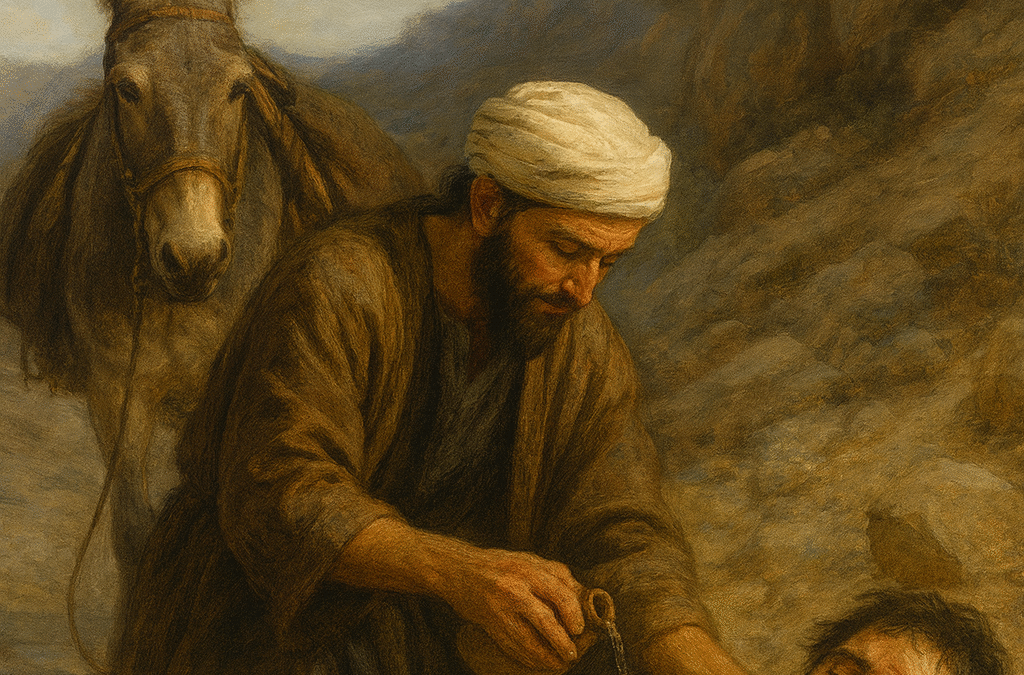
Jesus Drank Wine

Jesus Drank Wine

Jesus Drank Wine

11 Reasons Alcohol Might Just Be… Biblical

(A lightly cheerful list you can read with a smile—and a Bible in hand)


1. Jesus drank wine.

“I tell you I will not drink again of this fruit of the vine until that day when I drink it new with you in My Father’s kingdom.”
Matthew 26:29

Yep. Real wine. And He plans to have a glass with us in the Kingdom.


2. Jesus gave wine to others.

“Drink of it, all of you, for this is My blood of the covenant…”
Matthew 26:26–30

At the Last Supper, He served the cup—not just symbolically, but literally.


3. Jesus made more wine when they ran out.

John 2:1–11

Not just any wine. Good wine. And the guests had already had plenty. Miracle #1: A wedding wine upgrade.


4. The Apostle Paul prescribed it.

“No longer drink only water, but use a little wine for the sake of your stomach and your frequent ailments.”
1 Timothy 5:23

Apostle-approved. Doctor-endorsed. Moderation encouraged.


5. It’s recommended for stress relief.

“Give strong drink to the one who is perishing, and wine to those in bitter distress.”
Proverbs 31:6

Sometimes you don’t need a lecture—you need a little peace in a glass.


6. God approves it for celebration.

“Go, eat your bread with joy, and drink your wine with a merry heart, for God has already approved what you do.”
Ecclesiastes 9:7

That’s right—cheers, with permission.


7. Even church leaders can have some.

“Deacons… must not be addicted to much wine.”
1 Timothy 3:8

Note: It doesn’t say no wine. It says not too much. Big difference.


8. Little old church ladies are in the clear too.

“Older women… not slanderers or slaves to much wine.”
Titus 2:3

So yes—Grandma can sip her merlot while mentoring the younger women.


9. It’s perfect for after church.

“Eat the fat and drink sweet wine… for the joy of the Lord is your strength.”
Nehemiah 8:10

A holy day? That calls for a holy toast.


10. It was part of Old Testament worship.

“Their drink offerings shall be… a half hin of wine for a bull…”
Numbers 28:14

God didn’t just allow it—He expected it on the altar.


11. It’s great for the church picnic.

“Buy whatever your heart desires: oxen, sheep, wine, or strong drink… and rejoice, you and your household.”
Deuteronomy 14:26

There’s a reason potlucks are biblical.

What Was Church Like?

What Was Church Like?

What Was Church Like?

What Should Church Look Like?

A return to the Spirit-led, participatory gatherings of Scripture

They Met in Homes

“…breaking bread from house to house, they ate their food with gladness and simplicity of heart.”
Acts 2:46

“Likewise greet the church that is in their house.”
Romans 16:5

“Aquila and Priscilla greet you heartily in the Lord, with the church that is in their house.”
1 Corinthians 16:19

“…to the beloved Apphia, Archippus our fellow soldier, and to the church in your house.”
Philemon 2

They Also Met by Rivers

“On the Sabbath day we went outside the city by a riverside… we sat down and spoke to the women who had come together.”
Acts 16:13

And They Met in Schools

“He departed from them and withdrew the disciples, reasoning daily in the school of Tyrannus.”
Acts 19:9

But as far as Scripture shows, the early Church never built “church” buildings. That wasn’t their priority.


Sacred Space Reimagined

“Woman, believe Me, the hour is coming when you will neither on this mountain, nor in Jerusalem, worship the Father… the true worshipers will worship the Father in spirit and truth… God is Spirit.”
John 4:21–24

Jesus was saying: You’re both wrong. Something new is coming.


What Was Church Like?

The Holy Spirit Was Evident

“While Peter was still speaking… the Holy Spirit fell on all who heard… they heard them speaking in other languages and magnifying God.”
Acts 10:44–46

“My speech and preaching were… in demonstration of the Spirit and of power, that your faith wouldn’t stand in the wisdom of men, but in the power of God.”
1 Corinthians 2:1–5

It Wasn’t Always Polished

  • Sometimes meetings lasted for days — “They asked him to stay some days.” (Acts 10:48)
  • Sometimes gatherings turned violent
  • Some struggled with serious sin — “It is actually reported that there is sexual immorality among you…” (1 Corinthians 5:1)
  • There were divisions — “There must also be factions, that those approved may be revealed.” (1 Corinthians 11:18–19)

The Spirit Gave Many Gifts

“To each one is given the manifestation of the Spirit for the profit of all…”
1 Corinthians 12:7–11

Wisdom, Knowledge, Faith, Healing, Miracles, Prophecy, Discernment, Tongues, Interpretation

The Body Functioned as One

“The body is not one member, but many… God has set the members, each one of them, in the body, just as He desired…”
1 Corinthians 12:12–26
  • No part was unnecessary
  • Weaker parts received special honor
  • When one suffered, all suffered
  • When one rejoiced, all rejoiced

There Were Roles and Callings

“God has set some in the assembly: apostles, prophets, teachers, miracle workers, healers, helpers, governors, tongues…”
1 Corinthians 12:27–31

“He gave some to be apostles, prophets, evangelists, shepherds, and teachers, for the building up of the body…”
Ephesians 4:11–12

Prophecy Was Central

“Earnestly desire spiritual gifts, but especially that you may prophesy… he who prophesies speaks to men for edification, exhortation, and consolation…”
1 Corinthians 14:1–5

“Don’t forbid speaking with tongues.”
1 Corinthians 14:39

The Gatherings Were Interactive

“When you come together, each of you has a psalm, a teaching, a revelation, a tongue, or an interpretation. Let all things be done to build each other up.”
1 Corinthians 14:26–31

There was shared teaching, discernment, and space for everyone to participate.


Some Appeared Godly, But Were Dead

“…having a form of godliness but denying its power. Turn away from these.”
2 Timothy 3:5

“You have a reputation of being alive, but you are dead.”
Revelation 3:1

“Because you are lukewarm… I will vomit you out of My mouth.”
Revelation 3:15–16

Victory Belongs to the Lamb

“They overcame [Satan] by the blood of the Lamb and the word of their testimony; they didn’t love their lives even unto death.”
Revelation 12:11

“I heard every creature… saying: ‘To Him who sits on the throne, and to the Lamb, be blessing, honor, glory, and power forever!’”
Revelation 5:13
When Church Moved Into the Living Room

When Church Moved Into the Living Room

When Church Moved Into the Living Room

When Church Moved Into the Living Room

A Personal Story of Rediscovering Real Faith

In those days, church was just “doing church.”
We’d get up on Sunday morning, put on our good clothes, go listen to five songs and a lecture, then come home.

I’m sure there were sermons that were inspiring.
We got to know a few people.
But nothing really stuck.

There had to be more.

This couldn’t possibly be all that God intended for Christianity.
It couldn’t possibly be all there is to faith.
It couldn’t possibly be all there is to God.

I wanted to know Him in a real way.
I wanted to know who He really is.
But the church had no real life.

The singing was polished, the preaching was passionate, the programs were well-run—
But it all felt hollow.
Relationships were shallow.
And if we didn’t return, the relationships faded.

We visited other churches—some better than others.
We found great preachers, good people.
But that sense of family, of purpose, of living faith… it wasn’t there.


So we stepped away.

A few families, like ours, were frustrated with how church was operating.
It wasn’t that we were bitter or rebellious—
We just couldn’t find what our hearts were hungry for.

We knew we needed spiritual connection, even if it didn’t come in the form we were used to.
So we got together.
Just a couple families—husbands, wives, and kids.

We started simply:
Sharing some of our struggles, then opening the Bible together.

There were no sermons.
No structured curriculum.
Usually someone would show up with a scripture or topic on their heart,
And we’d just start talking.

It was informal, but not shallow.
Spirit-led, but not chaotic.

We met on Sunday afternoons or evenings—
When everyone could relax, bring a snack, and bring their full selves.


And something began to grow.

Not just spiritual insight—
But relationships.
The kind traditional church often doesn’t have room for.

We shared our homes, our kids, our food, and our lives.
Over time, some of those relationships became the most meaningful we’ve ever had.

We talked about marriage, child-rearing, money, fear, calling, and failure.
We dug into the Bible—
Not because someone told us to,
But because we wanted to.

Some weeks it felt like the Holy Spirit Himself was guiding our questions,
Revealing truth none of us expected.

I started to pray more.
And I started to know God in ways I never had before.

My faith became real and personal in a way that never happened for me in the structure of Sunday services.


“I’ve grown more in the past few months sitting in this living room than in years of sermons.”

That season changed me.
It made me hungry for that kind of shared spiritual life all the time.

I’ve looked for it since,
But often “home church” ends up being a smaller version of the very system we were stepping away from.

What we had back then wasn’t about creating a church or running a ministry—
It was simply a space to be the Church together.

We didn’t need a platform or a plan.
We needed presence—God’s, and each other’s.
We needed time, conversation, and the freedom to ask questions out loud.

And the Spirit met us there.


I can read the Bible alone—
And every preacher says we need to.

But nothing compares to opening the Scriptures together.
Learning, digging, praying, struggling, listening…

It is so much more than daily devotions alone and lost.
The house of the Lord is built using all of us as stones.

Faith was never intended to be walked alone.

That’s why I believe so strongly in this call to rediscover participatory, Spirit-led teaching.
I’ve lived it.
I’ve tasted it.

And once you’ve experienced it, you know—
This is what Church was meant to be.

He Could Have Ended It All

He Could Have Ended It All

He Could Have Ended It All

He Could Have Ended It All

They came for Him with clubs and swords, as if arresting a criminal.
Men made from dust tried to bind the One who formed them.
In the dim light of Gethsemane, while the disciples panicked and fled, Jesus stood still.
Not because He was caught. But because He allowed Himself to be.

There was no struggle. No resistance.
Only the deliberate surrender of the Sovereign to the hands of sinful men.

But make no mistake—He was not powerless.
He was not at their mercy.
He was holding back mercy.

He said it with quiet authority, not as a threat but as a fact:

“Do you think I cannot appeal to My Father, and He will at once send Me more than twelve legions of angels?”
Matthew 26:53

That number is precise.
A Roman legion held over six thousand soldiers.
Twelve legions? More than seventy-two thousand angels.

Christ could have summoned them in an instant.
Not even a word was needed. The will of the Son would have been enough.

One angel in Scripture wiped out an army of 185,000 in a single night—without strain.
Imagine what seventy thousand could do in a breath.
Jerusalem would not have been left standing.
Rome would have been erased from the map.
The entire earth could have been emptied.
Justice served instantly.
The rebellion of man crushed fully.
The universe silenced forever.

But He stayed.

He let them bind Him.
He let them strike Him.
He let them spit in His face—the very face that once looked upon creation and called it good.

He held the atoms of their hands together even as they slapped Him.
He kept their lungs breathing while they mocked Him.
He carried the cross they forced upon Him—not because He was obligated, but because He was fulfilling the will of the Father.

This was not surrender.
This was supreme control.

If at any point He had willed it, history would have ended.
But He didn’t come to end it.
He came to redeem it.

He endured the hate of men He could have silenced with a glance.
He took the blows of soldiers whose lives He upheld with every passing second.
He walked toward Golgotha with full knowledge that He was not being overpowered—
He was offering Himself as a ransom.

We often look at the crucifixion and see only pain.
But we forget what He withheld.
We forget the judgment that did not fall on us—because it fell on Him.
We forget that it wasn’t nails that held Him to that cross—
It was His will.
And He kept that will locked in place while those He created mocked, cursed, and slaughtered Him.

THIS IS NOT WEAKNESS.
THIS IS TERRIFYING POWER, RESTRAINED.
THIS IS MERCY BEYOND COMPREHENSION.

He had every right to destroy.
He would have been just to leave nothing behind.
But He bore it instead—
Every lash. Every insult. Every drop of sin that was not His.

He drank the cup of wrath down to the dregs.
Not because we deserved it—
But because He chose to love those who hated Him.

This is what makes the gospel weighty.
Not merely that Jesus died—
But that He chose to die
When He could have undone everything in less than a blink.

The Son of God restrained divine vengeance
So that grace could be poured out.
And that restraint will not last forever.

He will return.

And when He does, He will not come to be bound.
He will not come to be questioned.
He will not come to plead with men.

He will come with justice.
The armies of heaven will no longer be withheld.
The King who was silent will speak.
And when He speaks, there will be no arrest, no trial, no second cross.

Only judgment.

But today—right now—is still the day of mercy.
Not because we earned it.
But because the One who could have crushed us
Chose instead to bear our punishment.

We were spared,
Not because God was soft—
But because Christ was willing.

And that truth
Should silence every boast,
Crush every illusion of worth,
And bring every knee to the ground.

Let him who has ears to hear, hear.

The Blessing of Alcohol

The Blessing of Alcohol

The Blessing of Alcohol

Wine in the Bible: A Gift, Not a Sin

In some corners of modern Christianity, a persistent myth lingers—that all alcohol is inherently sinful. Though often well-intentioned, this teaching doesn’t align with the full counsel of Scripture. It frequently stems from a misunderstanding of the biblical words translated as “wine.”

In both Hebrew and Greek, the words yayin (Hebrew) and oinos (Greek) refer to fermented wine—not unfermented grape juice. The Bible doesn’t use a separate word for “grape juice” as we define it today. When Jesus turned water into wine at Cana (John 2) or shared the cup at the Last Supper (Matthew 26), the word used is oinos—fermented wine. The same is true when Paul instructed Timothy to “drink a little wine” for his health (1 Timothy 5:23). A simple word study dismantles the claim that biblical “wine” was merely juice.

In truth, Scripture speaks frequently of wine and strong drink—not only as normal in everyday life, but as a gift from God, woven into worship, celebration, and covenant, and symbolic of joy and the coming Kingdom.


1. Jesus Drank Wine and Shared It with Others

Jesus drank wine. In Matthew 26:29, He said:

“I tell you I will not drink again of this fruit of the vine until that day when I drink it new with you in my Father’s kingdom.”

This wasn’t metaphorical. At the Last Supper, Jesus gave His disciples wine and said:

“Drink of it, all of you, for this is my blood of the covenant…” (Matthew 26:27–29)

Earlier, His very first miracle was turning water into excellent wine for wedding guests who had already been drinking (John 2:1–11). This wasn’t juice—it was real wine, and it was served at a joyous celebration.


2. Wine Was Normal and Celebrated in Jewish Life

Wine was a regular part of Jewish daily life and religious practice:

  • Genesis 14:18 — Melchizedek brought out bread and wine to bless Abram.
  • 1 Samuel 1:24 — Hannah offered wine at the tabernacle with her sacrifice.
  • Ecclesiastes 9:7 — “Drink your wine with a merry heart, for God has already approved what you do.”

Psalm 104:15 speaks plainly of God’s generosity:

“Wine to gladden the heart of man.”

Wine was not viewed as a moral threat, but as a gracious gift.


3. Wine Symbolizes Joy, Blessing, and the Kingdom

Scripture associates wine with joy, healing, and future hope:

  • Proverbs 31:6 — “Give strong drink to the one who is perishing, and wine to those in bitter distress.”
  • Judges 9:13 — Wine is said to “cheer God and men.”
  • Isaiah 25:6 — God prepares a future feast with “well-aged wine.”
  • Amos 9:13 — “The mountains shall drip sweet wine.”

Wine was also part of worship through drink offerings (Exodus 29:40; Numbers 28:14), and Isaiah 62:9 describes God’s people drinking wine in His sanctuary as a sign of blessing.


4. Moderation—Not Abstinence—Is the Biblical Standard

Paul advised Timothy:

“No longer drink only water, but use a little wine for the sake of your stomach and your frequent ailments.”
1 Timothy 5:23

Likewise, when addressing church leaders, Paul didn’t command abstinence but warned against excess:

  • 1 Timothy 3:8 — Deacons must not be “addicted to much wine.”
  • Titus 2:3 — Older women must not be “slaves to much wine.”

Scripture calls for wise self-control—not legalistic prohibition.


5. Wine in Worship Was Commanded by God

God didn’t merely allow wine—He included it in worship and commanded celebration:

“Spend the money for whatever your heart desires: for oxen, or sheep, or wine, or strong drink… and rejoice, you and your household.”
Deuteronomy 14:26

And in Nehemiah 8:10, after reading the Law to the people:

“Go your way. Eat the fat and drink sweet wine… for the joy of the Lord is your strength.”

This wasn’t secular partying—it was sacred joy.


6. Drunkenness Is a Sin—Drinking Isn’t

The Bible is clear about the dangers of excess:

  • Ephesians 5:18 — “Do not get drunk with wine, for that is debauchery…”
  • Proverbs 20:1 — “Wine is a mocker, strong drink a brawler…”
  • Isaiah 5:11 — “Woe to those who rise early to run after strong drink…”

But drinking itself is not condemned. In fact, Jesus was falsely accused of being a drunkard:

“The Son of Man came eating and drinking, and they say, ‘Look at Him! A glutton and a drunkard…’”
Matthew 11:18–19

They said this because He drank wine—yet He was without sin.


7. Legalism Adds What God Never Said

Some preach abstinence as if it were a divine command. But Paul warned against adding man-made rules:

“These have indeed an appearance of wisdom… but they are of no value in stopping the indulgence of the flesh.”
Colossians 2:23

Jesus rebuked those who “teach as doctrines the commandments of men” (Mark 7:7). Legalism doesn’t produce holiness—it often hides pride.


8. Summary: Wine Was Normal, Sacred, and Celebratory

Wine in the Bible was:

  • Drunk by Jesus and His disciples
  • Used in sacred offerings
  • Celebrated at feasts
  • Permitted for leaders
  • Symbolic of joy, healing, and the Kingdom

Even in eternity, Jesus promises to drink wine again—with us:

“Until that day when I drink it new with you in My Father’s kingdom.”
Matthew 26:29


Conclusion: Let Scripture Speak for Itself

Wine is not sin. Wine is not evil. It is part of God’s good creation—given for joy, healing, worship, and community. Drunkenness is clearly condemned, but drinking itself is not.

To claim otherwise is to replace Scripture with tradition.

“Go your way. Eat the fat and drink sweet wine… for the joy of the Lord is your strength.”
Nehemiah 8:10

Let truth set us free—from both bondage and the fear of man.